Baked Cajun Salmon with Avocado A Flavorful Twist on a Healthy Classic
There’s something about a good salmon dinner that just feels like a warm hug after a long day, especially when it’s topped with creamy, fresh avocado and kissed with bold Cajun spices. Baked Cajun Salmon with Avocado has become one of my go-to recipes when I need a quick, nourishing meal that doesn’t require me to stand over the stove for hours. As a mom who’s balanced office work, two energetic kids, and a sometimes chaotic kitchen, I cherish dishes that bring the family together without too much fuss. This recipe is all about those messy counters, full plates, and feeding your people with love—just like those early nights in my childhood apartment where flavor was king and cooking was a family affair.
Table of Contents
Why You’ll Love This Baked Cajun Salmon with Avocado
If you’re anything like me, you want dinner to be straightforward but still pack a punch in flavor. This Baked Cajun Salmon with Avocado recipe hits that sweet spot perfectly. The Cajun spice blend adds a smoky, spicy warmth that wakes up the salmon, while the avocado topping cools down the heat and adds a buttery richness that’s downright dreamy.
What I love most is how I can prep this in under 30 minutes, toss it in the oven, and then focus on getting the kids ready for homework or bedtime. No complicated steps or intimidating ingredients—just real food that tastes like it took a lot more effort than it did. And honestly, watching my kids devour the avocado topping like it’s a treat always cracks me up. It reminds me of those moments standing on a wobbly chair next to my dad, soaking up stories and smells from the kitchen, knowing that good food is about love, not perfection.
Ingredients You’ll Need for This Baked Cajun Salmon with Avocado
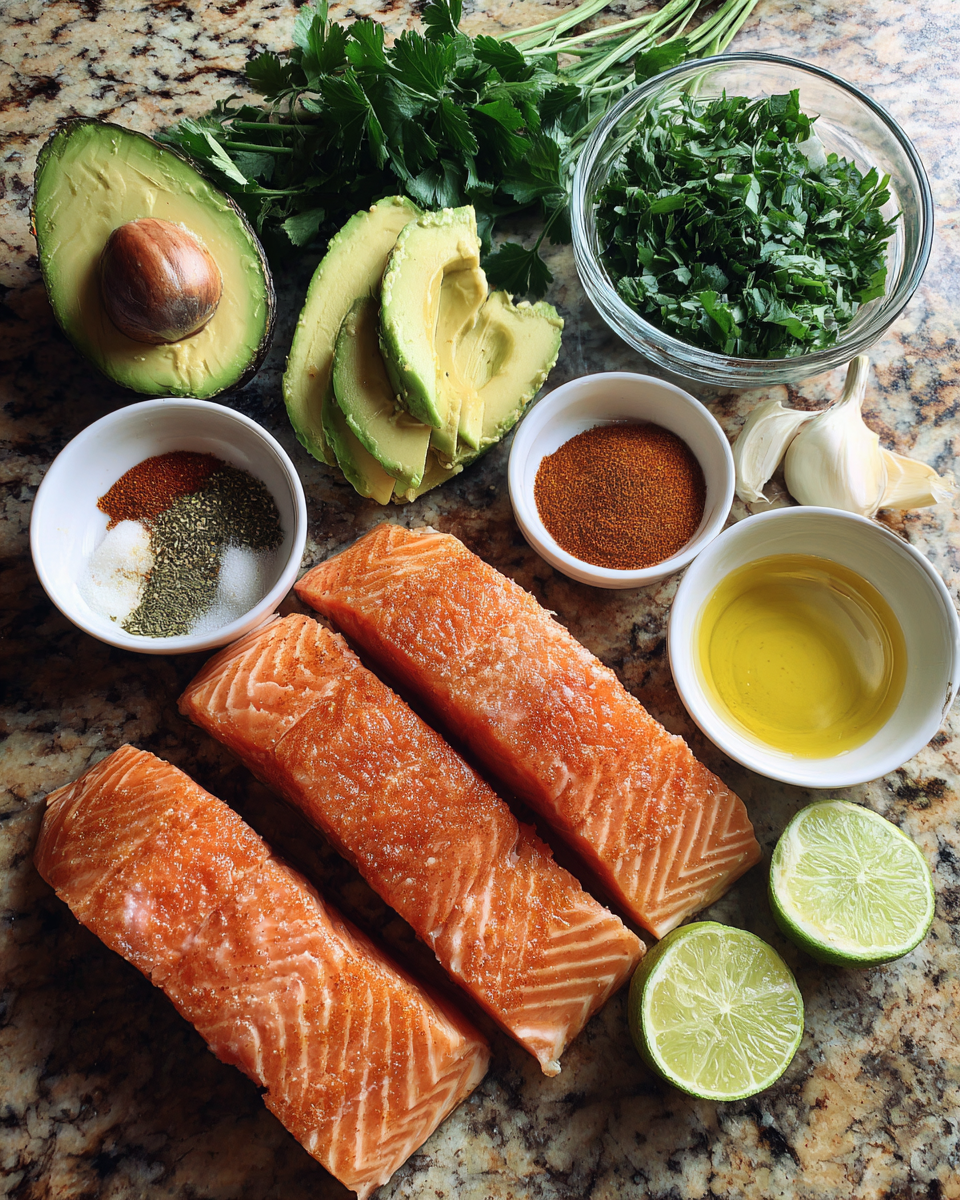
- 4 salmon fillets (about 6 ounces each), skin-on or skinless, as you prefer
- 2 tablespoons olive oil
- 1 tablespoon Cajun seasoning (store-bought or homemade—see notes below)
- 1 teaspoon smoked paprika
- 1/2 teaspoon garlic powder
- 1/2 teaspoon onion powder
- Salt and freshly ground black pepper, to taste
- 1 ripe avocado
- 1 tablespoon fresh lime juice
- 2 tablespoons chopped fresh cilantro or parsley (optional but recommended)
- 1 small jalapeño, seeded and finely chopped (optional, for extra heat)
- 1 teaspoon honey or maple syrup (to balance the avocado topping)
Substitution tips: If you don’t have Cajun seasoning on hand, mix 1 teaspoon paprika, 1/2 teaspoon cayenne, 1/2 teaspoon dried oregano, 1/2 teaspoon thyme, and a pinch of salt. For the avocado topping, plain Greek yogurt can be stirred in for extra creaminess if you like.
Nutrition Facts
- Calories: Approximately 380 per serving
- Protein: 34g
- Fat: 24g (mostly healthy fats from salmon and avocado)
- Carbohydrates: 8g
- Fiber: 5g
- Sugar: 1g (natural from avocado and honey)
- Sodium: 450mg (adjust with salt to taste)
This recipe offers a great balance of macronutrients, especially if you’re aiming to keep meals nutrient-dense without sacrificing flavor. The healthy omega-3 fats from the salmon and avocado are a bonus, and the fiber helps keep everyone satisfied.
Print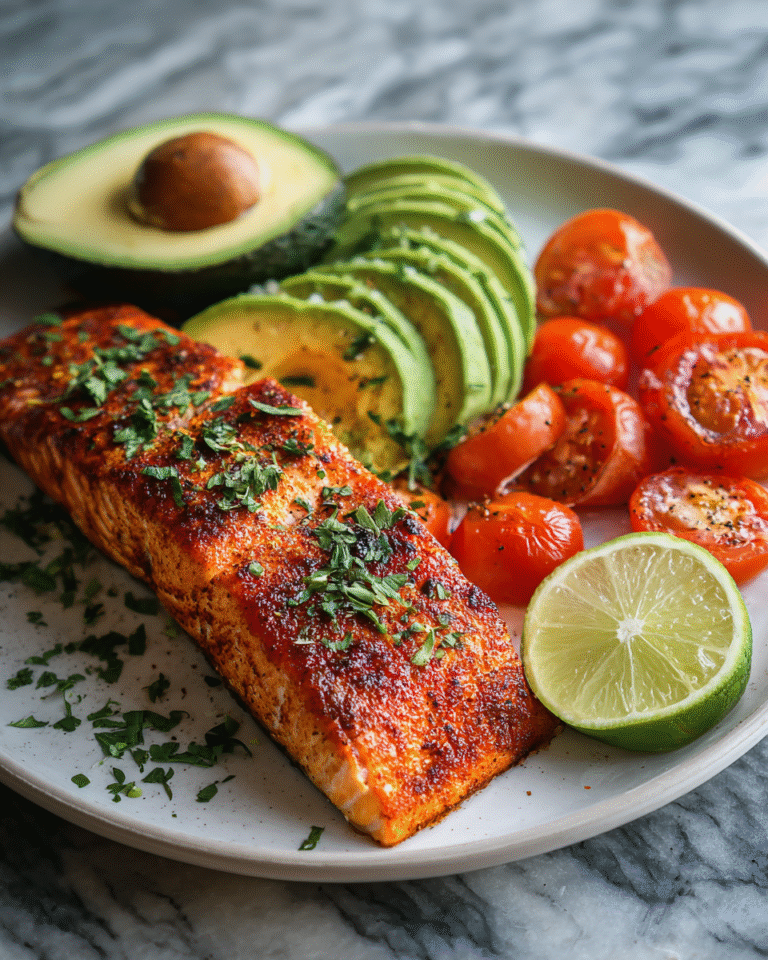
Baked Cajun Salmon with Avocado A Flavorful Twist on a Healthy Classic
Learn how to make delicious Baked Cajun Salmon with Avocado. Easy recipe with step-by-step instructions.
- Total Time: 45 minutes
- Yield: 4 servings 1x
Ingredients
- 4 salmon fillets (about 6 ounces each), skin-on or skinless, as you prefer
- 2 tablespoons olive oil
- 1 tablespoon Cajun seasoning (store-bought or homemade—see notes below)
- 1 teaspoon smoked paprika
- 1/2 teaspoon garlic powder
- 1/2 teaspoon onion powder
- Salt and freshly ground black pepper, to taste
- 1 ripe avocado
- 1 tablespoon fresh lime juice
- 2 tablespoons chopped fresh cilantro or parsley (optional but recommended)
- 1 small jalapeño, seeded and finely chopped (optional, for extra heat)
- 1 teaspoon honey or maple syrup (to balance the avocado topping)
Substitution tips: If you don’t have Cajun seasoning on hand, mix 1 teaspoon paprika, 1/2 teaspoon cayenne, 1/2 teaspoon dried oregano, 1/2 teaspoon thyme, and a pinch of salt. For the avocado topping, plain Greek yogurt can be stirred in for extra creaminess if you like.
Instructions
- Preheat your oven to 400°F (200°C). Line a baking sheet with parchment paper or lightly grease it to prevent sticking.
- In a small bowl, mix together the Cajun seasoning, smoked paprika, garlic powder, onion powder, salt, and pepper.
- Pat the salmon fillets dry with paper towels. This helps the seasoning stick and gives you a better crust.
- Brush both sides of the salmon with olive oil, then generously rub the spice mixture all over each fillet.
- Place the salmon fillets skin-side down (if they have skin) on the prepared baking sheet, leaving a little space between each piece.
- Bake in the preheated oven for 12-15 minutes, depending on thickness, until the salmon flakes easily with a fork but is still moist inside. I usually aim for 13 minutes for that perfect tender bite.
- While the salmon bakes, prepare the avocado topping. In a medium bowl, mash the avocado with lime juice, honey, chopped cilantro, and jalapeño (if using). Season with a pinch of salt and pepper.
- Once the salmon is done, remove it from the oven and spoon a generous dollop of the avocado topping over each fillet.
- Serve immediately, letting the creamy avocado cool the spicy salmon just right.
I remember the first time I tried a Cajun salmon recipe that was way too spicy for my kids. I quickly learned to balance heat with creaminess, and this avocado topping saved the day every time. It’s like magic—spicy, smoky, and cool all at once.
- Prep Time: 15 minutes
- Cook Time: 30 minutes
- Category: Main Dish
- Method: Cooking
- Cuisine: International
Keywords: Baked Cajun Salmon with Avocado, recipe, cooking, food
Steps to Create Your Baked Cajun Salmon with Avocado
- Preheat your oven to 400°F (200°C). Line a baking sheet with parchment paper or lightly grease it to prevent sticking.
- In a small bowl, mix together the Cajun seasoning, smoked paprika, garlic powder, onion powder, salt, and pepper.
- Pat the salmon fillets dry with paper towels. This helps the seasoning stick and gives you a better crust.
- Brush both sides of the salmon with olive oil, then generously rub the spice mixture all over each fillet.
- Place the salmon fillets skin-side down (if they have skin) on the prepared baking sheet, leaving a little space between each piece.
- Bake in the preheated oven for 12-15 minutes, depending on thickness, until the salmon flakes easily with a fork but is still moist inside. I usually aim for 13 minutes for that perfect tender bite.
- While the salmon bakes, prepare the avocado topping. In a medium bowl, mash the avocado with lime juice, honey, chopped cilantro, and jalapeño (if using). Season with a pinch of salt and pepper.
- Once the salmon is done, remove it from the oven and spoon a generous dollop of the avocado topping over each fillet.
- Serve immediately, letting the creamy avocado cool the spicy salmon just right.
I remember the first time I tried a Cajun salmon recipe that was way too spicy for my kids. I quickly learned to balance heat with creaminess, and this avocado topping saved the day every time. It’s like magic—spicy, smoky, and cool all at once. Learn more: Irresistible Smoked Turkey Wings: A Flavorful Twist on a Classic Favorite
Tips for Making the Best Baked Cajun Salmon with Avocado
- Choose fresh salmon: Whenever possible, buy wild-caught or fresh salmon for the best flavor and texture. I often pick up fillets from the local market on the way home from school pickup, which feels like a little treat.
- Don’t overbake: Salmon can quickly go from moist to dry. Keep an eye on it around the 12-minute mark and check for flakiness.
- Customize your Cajun seasoning: Adjust the spice level to your family’s taste. My little ones like it mild, so I reduce the cayenne and add more paprika.
- Use ripe avocado: The smoother and creamier your avocado topping, the better it balances the spice. If you’re in a pinch, I’ve even used guacamole from the store (don’t tell anyone).
- Prep ahead: You can mix the avocado topping a few hours in advance and refrigerate it. Just give it a quick stir and add a little lime juice before serving to freshen it up.
- Watch the jalapeño: If your family isn’t into heat, skip the jalapeño or leave the seeds out to tame the spice.
Serving Suggestions and Pairings
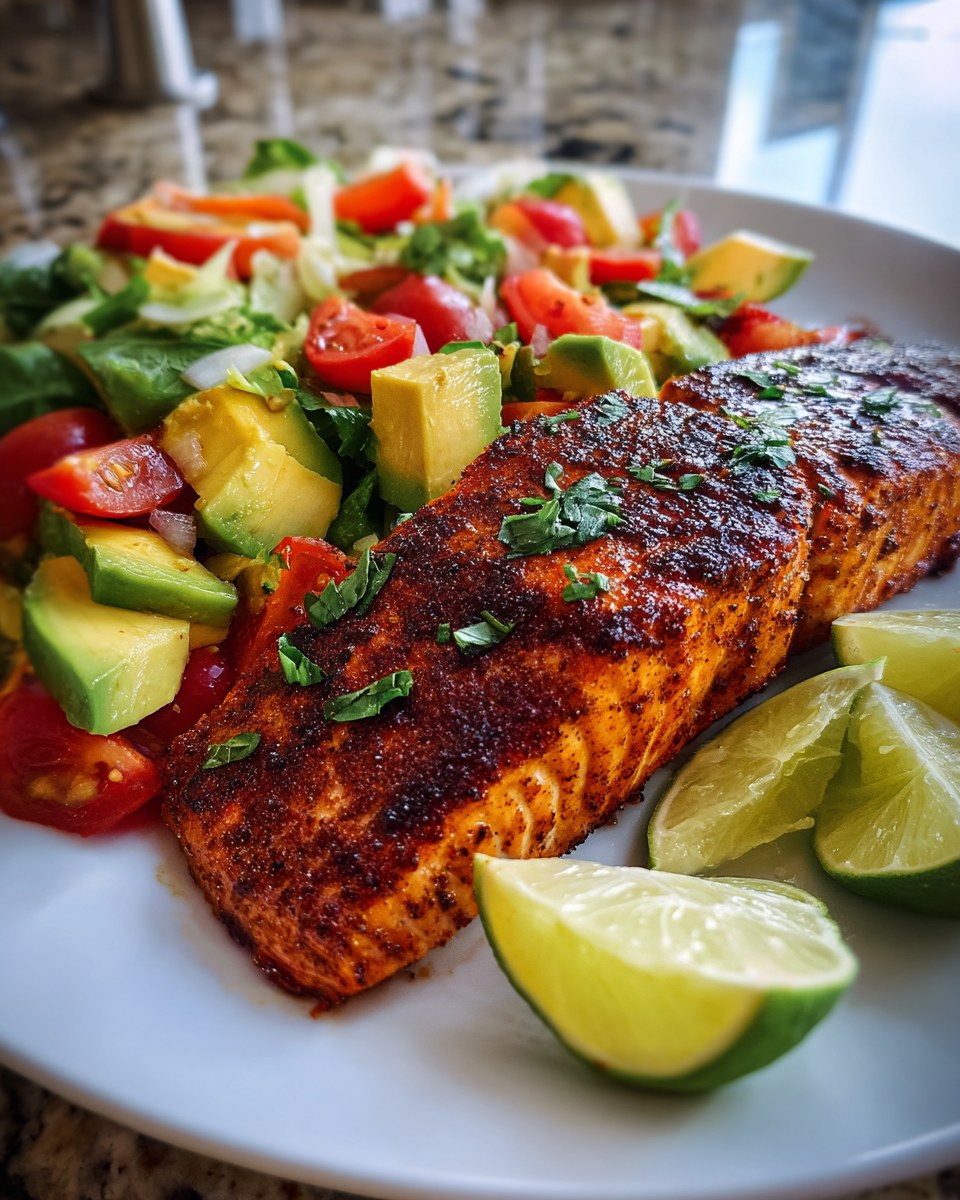
This Baked Cajun Salmon with Avocado pairs beautifully with simple sides that complement the bold flavors without competing. Here are a few of my favorite go-tos that have become staples in our home kitchen:
- Steamed or roasted asparagus tossed with lemon and garlic
- Fluffy quinoa or brown rice for a wholesome grain base
- A crisp green salad with a light vinaigrette to cut through the richness
- Garlic mashed potatoes or sweet potato fries for something cozy and comforting
- Warm crusty bread to scoop up any leftover avocado topping
One of my favorite memories is serving this salmon with roasted sweet potatoes while my kids debated whether the avocado tastes more like butter or magic. Spoiler: it’s both.
Storage and Reheating Tips
Leftovers are a reality in my kitchen, especially on busy weeknights. Here’s how I handle storing and reheating this dish without losing its charm:
- Store the salmon and avocado topping separately in airtight containers to keep the avocado fresh and green.
- Refrigerate for up to 2 days. Freshness matters here, so don’t stretch it too long.
- When reheating the salmon, do so gently in a low oven (about 275°F) for 10-15 minutes or until warmed through. This helps avoid drying it out.
- Avoid microwaving the avocado topping—it can turn bitter and lose its creamy texture.
- If you want a quick lunch, flake the cold salmon into a salad and dollop the avocado on top for a refreshing meal.
I’ve learned the hard way that rushing reheating can ruin all the hard work, so patience is key here. Plus, it gives me a little break from the chaos.
Frequently Asked Questions
What are the main ingredients for Baked Cajun Salmon with Avocado?
The main ingredients for Baked Cajun Salmon with Avocado include the items listed in our ingredients section above. Each ingredient plays a crucial role in achieving the perfect flavor and texture.
How long does it take to make Baked Cajun Salmon with Avocado?
The total time to make Baked Cajun Salmon with Avocado includes both preparation and cooking time. Check the recipe card above for exact timing details.
Can I make Baked Cajun Salmon with Avocado ahead of time?
Yes, Baked Cajun Salmon with Avocado can often be prepared in advance. Store it properly in an airtight container in the refrigerator and consume within the recommended timeframe.
What can I serve with Baked Cajun Salmon with Avocado?
Baked Cajun Salmon with Avocado pairs well with various sides and accompaniments. Consider the serving suggestions mentioned in the recipe for the best dining experience.
Is Baked Cajun Salmon with Avocado suitable for special diets?
Depending on the ingredients used, Baked Cajun Salmon with Avocado may be adapted for various dietary needs. Check the ingredients list and consider substitutions as needed for your dietary requirements.
Final Thoughts
At the end of the day, Baked Cajun Salmon with Avocado is more than just a recipe for me—it’s a little reminder that good food doesn’t need to be complicated to be memorable. It’s about those shared moments around the table, the laughter between bites, and the way a simple meal can feel like a celebration in your own home.
My journey from a busy office worker to a home cook taught me that feeding your family well doesn’t require fancy ingredients or hours in the kitchen. It just takes a few thoughtful steps and a sprinkle of love—something I hope you find in every bite of this salmon dish.
“Home cooking isn’t about perfection. It’s about messy counters, full plates, and feeding your people with love—one imperfect meal at a time.”
So, give this Baked Cajun Salmon with Avocado a try. I promise it’ll become one of those meals you lean on when life is hectic, but your stomach and heart need a little comfort.