Savor the Flavor of Color Harmony Palettes in Culinary Creations
Color harmony palettes have this uncanny way of sneaking into my kitchen conversations, even though I’m usually elbow-deep in dinner prep or wiping up yet another spilled cup of juice. It’s funny how the same principles that make a room or a painting feel just right also apply to the everyday art of cooking and feeding your family. When I think about putting together a meal, I don’t just think about taste—I think about the colors on the plate, the mood they set, and how they can bring everyone to the table with a smile. Just like the late-night dinners in my childhood apartment, food is about warmth, connection, and a little bit of chaos, all wrapped up in a beautiful, imperfect package. So let’s dive into how understanding Color Harmony Palettes can make your cooking—and your home—feel a little more like the heart of the home I know and love.
Table of Contents
Why You’ll Love This Color Harmony Palettes
When I first stumbled upon the idea of Color Harmony Palettes, I was knee-deep in a week of hectic dinners, juggling two kids, a full-time job, and the endless grocery list that never seems to get shorter. What struck me was how these palettes—essentially thoughtfully chosen color combinations—can make everything feel more intentional. Whether it’s the colors on your wall, your table setting, or the food itself, harmony creates a sense of balance and calm. And trust me, in a busy household like mine, a little calm goes a long way.
Color harmony isn’t just for designers or artists. It’s a simple way to bring beauty into your everyday life, making your meals more inviting and even more memorable. I remember one evening, after a particularly chaotic day, how setting the table with a palette of soft blues and warm neutrals transformed our dinner. Suddenly, the noise seemed softer, the food tasted better, and even the kids lingered at the table longer than usual. That’s the power of color harmony—small changes, big impacts.
Plus, understanding these palettes can make your home feel more cohesive and welcoming without needing a full renovation or a professional designer. It’s about working with what you have, just like I learned from my mom—turning simple ingredients into magic. And if you’re anything like me—a tired cook looking for practical tips—you’ll find that color harmony makes your home and your cooking feel like an intentional, loving experience rather than an endless to-do list.
Ingredients You’ll Need for This Color Harmony Palettes

- 1 cup of warm neutrals (think beige, taupe, or soft gray) – perfect for walls or larger areas
- 1/2 cup of muted blues or greens – bring in calm and freshness
- 1/4 cup of accent colors like burnt orange, mustard yellow, or deep red – to add warmth and energy
- 1 tablespoon of natural textures (wood tones, woven baskets, linen fabrics) – to ground your palette in cozy, tactile elements
- A sprinkle of metallics (brass, copper, or matte gold) – for a little sparkle and sophistication
- Optional: pops of white or black – to provide contrast and crispness
If you’re thinking about applying this to your kitchen or dining room, I always recommend starting small. Maybe a bowl of fresh lemons (hello, yellow accent!) or a few hand-painted plates in your accent color. You can substitute blues for purples or greens for blues depending on what feels right in your space. The key is balance—too much of one color can overpower the room, just like too much salt can ruin a dish.
Nutrition Facts
- Calories: Not applicable (though color harmony certainly nourishes the soul!)
- Protein: N/A
- Fat: N/A
- Carbohydrates: N/A
- Fiber: N/A
- Sugar: N/A
- Sodium: N/A
Okay, so color harmony palettes don’t come with traditional nutrition facts, but I like to think they feed something just as important—comfort, creativity, and connection. In my house, those intangibles are as essential as the lentils my dad used to stir on the stove, stories flowing just as freely as the steam rising from the pot.
Print
Savor the Flavor of Color Harmony Palettes in Culinary Creations
Learn how to make delicious Color Harmony Palettes. Easy recipe with step-by-step instructions.
- Total Time: 45 minutes
- Yield: 4 servings 1x
Ingredients
- 1 cup of warm neutrals (think beige, taupe, or soft gray) – perfect for walls or larger areas
- 1/2 cup of muted blues or greens – bring in calm and freshness
- 1/4 cup of accent colors like burnt orange, mustard yellow, or deep red – to add warmth and energy
- 1 tablespoon of natural textures (wood tones, woven baskets, linen fabrics) – to ground your palette in cozy, tactile elements
- A sprinkle of metallics (brass, copper, or matte gold) – for a little sparkle and sophistication
- Optional: pops of white or black – to provide contrast and crispness
If you’re thinking about applying this to your kitchen or dining room, I always recommend starting small. Maybe a bowl of fresh lemons (hello, yellow accent!) or a few hand-painted plates in your accent color. You can substitute blues for purples or greens for blues depending on what feels right in your space. The key is balance—too much of one color can overpower the room, just like too much salt can ruin a dish.
Instructions
- Start by choosing a base color that feels warm and inviting to you. In my experience, warm neutrals like soft beige or gray create a cozy canvas—much like the backdrop of my childhood apartment’s kitchen walls.
- Add your secondary color, aiming for something cool and calming like muted blue or green. This balance reminds me of the calm my mom brought to the kitchen even when dinner was late and chaos was reigning.
- Introduce an accent color to give your palette personality and energy. Burnt orange or mustard yellow work beautifully and add that pop of life, just like the unexpected flavors my dad would sneak into his lentil stew.
- Bring in natural textures like wood, linen, or wicker to ground your palette in real, tactile warmth. I love how these elements feel like a hug after a long day—something my family’s kitchen always managed, even if just through a rough wooden chair or a woven placemat.
- Sprinkle in metallic touches like brass or copper. These little gleams catch the light and add a splash of sophistication without feeling fussy—a reminder that home cooking doesn’t have to be perfect to be special.
- Step back and assess your palette. Does it feel balanced? Too much of one element? Adjust as needed. My own kitchen palette has shifted over the years, just like the seasons and the moods of my family, and that’s okay.
- Apply your palette throughout your space or meal presentation. Think about how the colors interact on your plates, linens, and walls. Experiment! Remember, home cooking and decorating are both about trial, error, and love.
One personal tip: I often use my kids’ artwork as a jumping-off point for color palettes. Their messy, vibrant drawings remind me that color harmony doesn’t have to be rigid—it’s about what makes you feel good and connected.
- Prep Time: 15 minutes
- Cook Time: 30 minutes
- Category: Main Dish
- Method: Cooking
- Cuisine: International
Keywords: Color Harmony Palettes, recipe, cooking, food
Steps to Create Your Color Harmony Palettes
- Start by choosing a base color that feels warm and inviting to you. In my experience, warm neutrals like soft beige or gray create a cozy canvas—much like the backdrop of my childhood apartment’s kitchen walls.
- Add your secondary color, aiming for something cool and calming like muted blue or green. This balance reminds me of the calm my mom brought to the kitchen even when dinner was late and chaos was reigning.
- Introduce an accent color to give your palette personality and energy. Burnt orange or mustard yellow work beautifully and add that pop of life, just like the unexpected flavors my dad would sneak into his lentil stew.
- Bring in natural textures like wood, linen, or wicker to ground your palette in real, tactile warmth. I love how these elements feel like a hug after a long day—something my family’s kitchen always managed, even if just through a rough wooden chair or a woven placemat.
- Sprinkle in metallic touches like brass or copper. These little gleams catch the light and add a splash of sophistication without feeling fussy—a reminder that home cooking doesn’t have to be perfect to be special.
- Step back and assess your palette. Does it feel balanced? Too much of one element? Adjust as needed. My own kitchen palette has shifted over the years, just like the seasons and the moods of my family, and that’s okay.
- Apply your palette throughout your space or meal presentation. Think about how the colors interact on your plates, linens, and walls. Experiment! Remember, home cooking and decorating are both about trial, error, and love.
One personal tip: I often use my kids’ artwork as a jumping-off point for color palettes. Their messy, vibrant drawings remind me that color harmony doesn’t have to be rigid—it’s about what makes you feel good and connected. Learn more: Savor the Flavor of Grilled Mexican Chicken Skewers
Tips for Making the Best Color Harmony Palettes
When I first started paying attention to color harmony, I was overwhelmed by all the “rules” and fancy color wheels. Here’s what I learned from my own kitchen and home life that helped me embrace these palettes without stress:
- Start small: You don’t have to repaint your whole house. Try adding pillows, dishware, or a table runner in your chosen palette first.
- Use nature as your guide: Think about the colors you see outside—earthy browns, leafy greens, sky blues. These natural combinations almost always feel right at home.
- Mix textures: Don’t just rely on color—textures add depth and interest. Linen napkins, wooden bowls, and ceramic mugs can bring your palette to life.
- Be flexible: Color harmony is about balance, not perfection. Some days your palette might lean more neutral, other days brighter. Let it evolve with your family’s mood.
- Involve your family: My kids love picking out colors for our table settings—it’s a fun way to include them and make the meal feel special.
- Think about lighting: Colors look different at night versus day. Soft lighting can warm up cooler palettes beautifully.
These tips helped me move away from feeling intimidated by color and toward seeing it as another ingredient in the recipe for a happy home.
Serving Suggestions and Pairings

Using Color Harmony Palettes can transform everyday meals into an experience. Here’s how I like to bring those palettes to life around the dinner table:
- Choose dinnerware that complements your palette—think deep blue plates with mustard yellow napkins or natural wood chargers with soft gray linens.
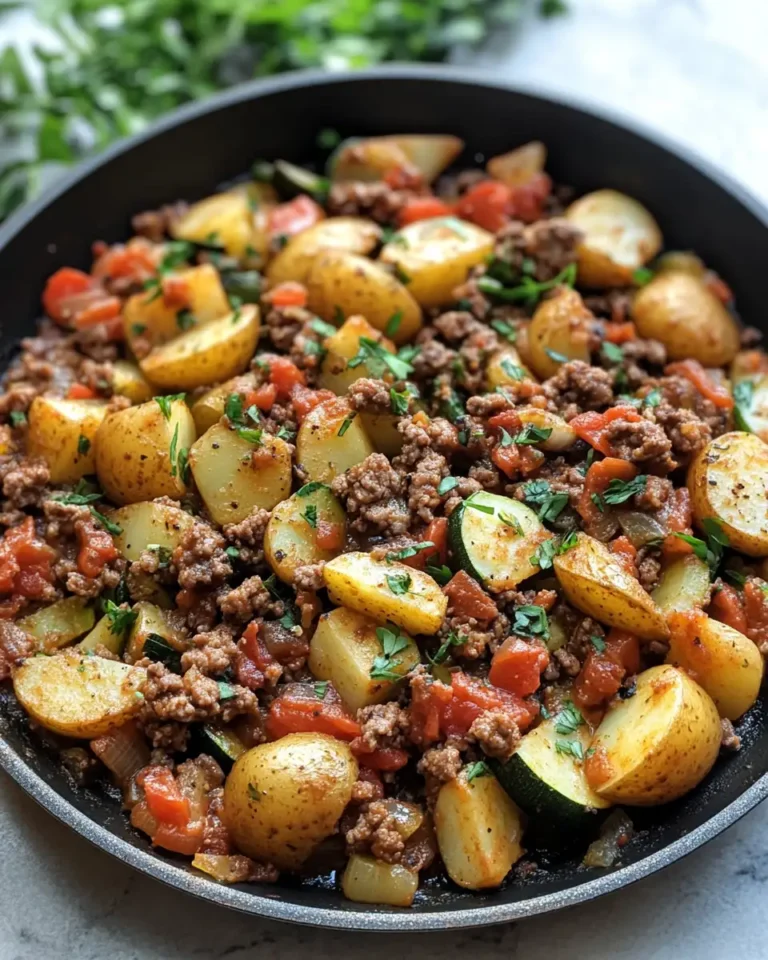
- Use fresh ingredients whose colors pop within your scheme. Bright tomatoes, leafy greens, and golden roasted potatoes can echo your accent colors.
- Consider your table setting as a whole, including flowers or candles, which can add subtle touches of your palette and enhance the mood.
- Pair meals visually as well as flavor-wise. A hearty lentil stew with deep greens and reds feels perfect against a neutral backdrop and a splash of copper flatware.
- Don’t forget the kids’ plates! I’ve found that matching their dish colors to the overall palette makes mealtime feel more cohesive and less chaotic.
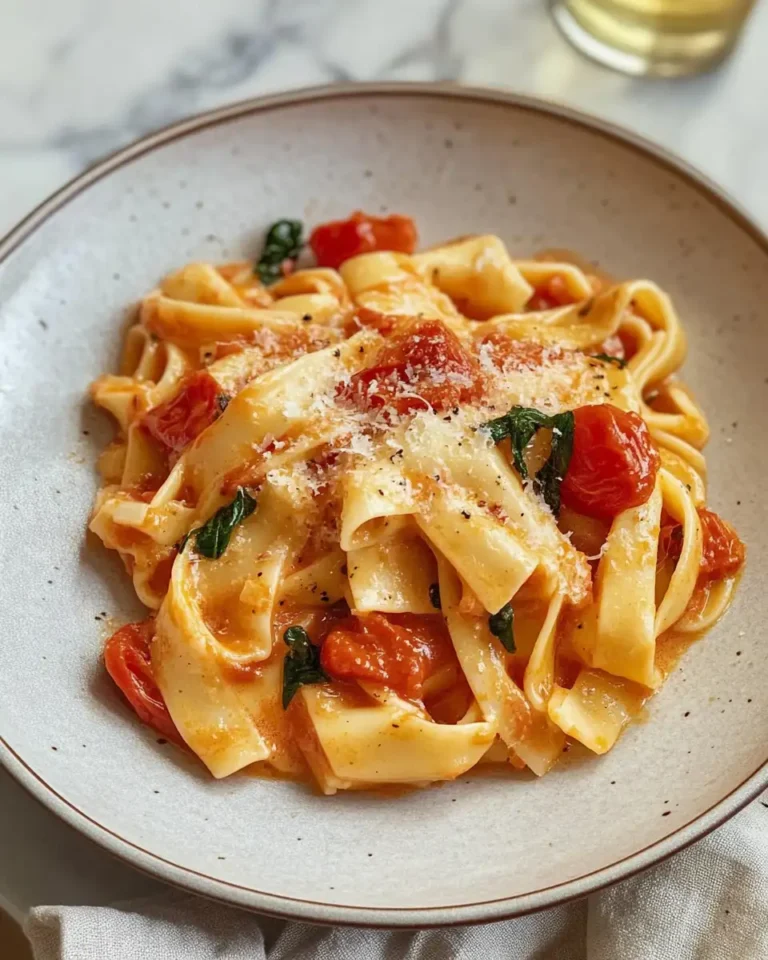
One night, I set the table with a soft blue palette and served a creamy pasta tossed with fresh herbs and lemon zest. The colors on the plate echoed the napkins and candles, and the whole meal felt like a little moment of calm amid the usual rush.
Storage and Reheating Tips
While Color Harmony Palettes don’t need refrigeration, the meals and moments they inspire often do. Here are some practical tips I’ve learned juggling family meals and leftovers:
- Store leftovers in clear containers to easily see and plan your next meal—colors fade with time, but seeing vibrant food helps you remember to eat it!
- Reheat gently to preserve texture and color. For example, steam vegetables lightly instead of microwaving aggressively to keep their bright hues.
- Use glass or ceramic containers when possible—these materials don’t leach colors or flavors and look better on the table.
- Plan ahead for meals that reheat well and still look good—think casseroles or slow cooker dishes with natural, earthy tones.
- Keep your table linens and decor easy to wash and durable—life with kids means spills happen, and your color harmony won’t survive if you’re constantly stressed about stains.
Trust me, I learned these lessons the hard way—one spilled berry smoothie at a time!
Frequently Asked Questions
What are the main ingredients for Color Harmony Palettes?
The main ingredients for Color Harmony Palettes include the items listed in our ingredients section above. Each ingredient plays a crucial role in achieving the perfect flavor and texture.
How long does it take to make Color Harmony Palettes?
The total time to make Color Harmony Palettes includes both preparation and cooking time. Check the recipe card above for exact timing details.
Can I make Color Harmony Palettes ahead of time?
Yes, Color Harmony Palettes can often be prepared in advance. Store it properly in an airtight container in the refrigerator and consume within the recommended timeframe.
What can I serve with Color Harmony Palettes?
Color Harmony Palettes pairs well with various sides and accompaniments. Consider the serving suggestions mentioned in the recipe for the best dining experience.
Is Color Harmony Palettes suitable for special diets?
Depending on the ingredients used, Color Harmony Palettes may be adapted for various dietary needs. Check the ingredients list and consider substitutions as needed for your dietary requirements.
Final Thoughts
Color Harmony Palettes are more than just a design concept—they’re a way to bring balance, beauty, and a little bit of magic into the everyday chaos of family life and home cooking. Like the late nights in my childhood apartment, where imperfect meals and louder-than-life stories filled the air, these palettes remind us that food and home are about connection and love, not perfection.
Whether you’re setting your table, choosing paint colors, or just thinking about the colors on your plate, remember that harmony is something you create, not find. It’s messy, it’s flexible, and it’s utterly personal. And if you ever doubt how a splash of color or a new combination might change your day, just picture my wobbly chair next to my dad’s stove—watching, learning, and loving every imperfect, colorful moment.