Unlock Vibrant Flavors with Perfectly Sauteed Vegetables
There’s something wonderfully comforting about sauteed vegetables—the way they sizzle in the pan, filling the kitchen with that warm, inviting aroma that hints at a good meal ahead. For me, sauteed vegetables are more than just a side dish; they’re a way to bring a little bit of love and color to the dinner table, especially on those hectic weeknights when time feels like the enemy. Growing up, I wasn’t surrounded by fancy recipes or elaborate meals. Instead, I remember standing on a wobbly chair beside my dad, watching him stir pots of lentils and rice while sharing stories. Sauteed vegetables remind me of those simple, heartwarming moments, and today I’m excited to share a straightforward, no-fuss way to make them a staple in your kitchen.
Table of Contents
Why You’ll Love This Sauteed Vegetables
Sauteed vegetables are like the unsung heroes of home cooking. They’re quick, adaptable, and packed with flavor, making them perfect for busy families like mine. When I first started cooking seriously, I needed dishes that didn’t require a million steps or weird ingredients. Sauteed vegetables fit that bill perfectly—they’re easy, healthy, and can be customized with whatever you have on hand. Plus, they’re a fantastic way to sneak extra veggies onto the plates of picky eaters (trust me, I’ve been there!).
What I love most about this recipe is how forgiving it is. Whether you toss in bell peppers, zucchini, mushrooms, or broccoli, the technique stays the same. It’s a simple, hands-on way to boost your meals, add vibrant colors, and get that satisfying crunch with tender softness all in one bite. And on those nights when the kids are running wild and the clock is ticking, this recipe feels like a small victory you can actually celebrate.
Ingredients You’ll Need for This Sauteed Vegetables
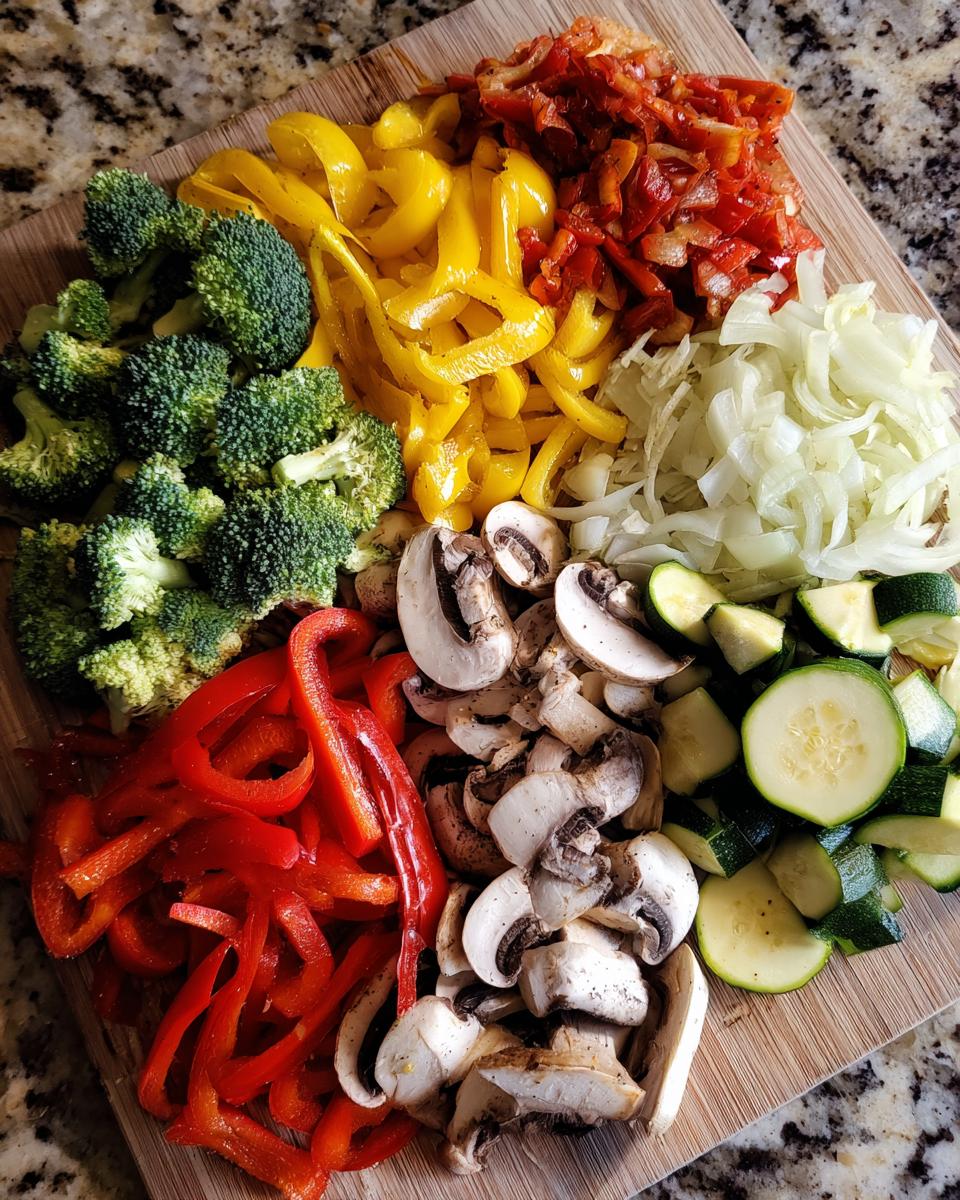
- 2 tablespoons olive oil (or avocado oil for a neutral flavor)
- 1 medium red bell pepper, sliced into thin strips
- 1 medium zucchini, sliced into half-moons
- 1 cup broccoli florets, cut into bite-sized pieces
- 1/2 cup sliced mushrooms (button or cremini work great)
- 1 small yellow onion, thinly sliced
- 2 cloves garlic, minced
- 1/2 teaspoon dried oregano (or Italian seasoning blend)
- Salt and freshly ground black pepper, to taste
- Optional: 1 tablespoon soy sauce or tamari for a savory kick
- Optional: A squeeze of fresh lemon juice for brightness
If you’re out of olive oil, butter can be a lovely substitute, especially if you want a richer flavor. And if you don’t have fresh garlic, garlic powder works in a pinch—I’ve found that a little flexibility here helps keep this recipe realistic for real kitchens like mine.
Nutrition Facts
- Calories: Approximately 120 per serving (1 cup)
- Protein: 3g
- Fat: 7g (mostly from olive oil)
- Carbohydrates: 12g
- Fiber: 4g
- Sugar: 5g (natural sugars from vegetables)
- Sodium: 150mg (without soy sauce; soy sauce adds more)
These sauteed vegetables are a nutrient-dense way to add fiber, vitamins, and antioxidants to your meal without piling on calories. The olive oil not only helps with absorption of fat-soluble vitamins but also adds heart-healthy fats. It’s a great way to get a quick veggie boost, especially when life is hectic and you need a fast, wholesome side.
Print
Unlock Vibrant Flavors with Perfectly Sauteed Vegetables
Learn how to make delicious Sauteed Vegetables. Easy recipe with step-by-step instructions.
- Total Time: 45 minutes
- Yield: 4 servings 1x
Ingredients
- 2 tablespoons olive oil (or avocado oil for a neutral flavor)
- 1 medium red bell pepper, sliced into thin strips
- 1 medium zucchini, sliced into half-moons
- 1 cup broccoli florets, cut into bite-sized pieces
- 1/2 cup sliced mushrooms (button or cremini work great)
- 1 small yellow onion, thinly sliced
- 2 cloves garlic, minced
- 1/2 teaspoon dried oregano (or Italian seasoning blend)
- Salt and freshly ground black pepper, to taste
- Optional: 1 tablespoon soy sauce or tamari for a savory kick
- Optional: A squeeze of fresh lemon juice for brightness
If you’re out of olive oil, butter can be a lovely substitute, especially if you want a richer flavor. And if you don’t have fresh garlic, garlic powder works in a pinch—I’ve found that a little flexibility here helps keep this recipe realistic for real kitchens like mine.
Instructions
- Heat a large skillet over medium-high heat and add the olive oil. Let the oil warm up for about 1-2 minutes—you want it shimmering but not smoking.
- Add the sliced onions first. Cook for about 3-4 minutes, stirring occasionally, until they start to soften and turn translucent. This step builds a sweet base flavor.
- Toss in the minced garlic and cook for 30 seconds to 1 minute until fragrant. Be careful not to burn it—garlic can turn bitter quickly!
- Add the sliced bell peppers and broccoli florets. Stir frequently and cook for another 4-5 minutes. The broccoli should turn bright green and still have some crunch.
- Next, add the zucchini and mushrooms. Continue to saute for an additional 3-4 minutes, stirring often. You want the zucchini to soften but not become mushy.
- Sprinkle the dried oregano, salt, and pepper over the vegetables. If you’re using soy sauce, drizzle it in now and stir well to combine all the flavors.
- Cook for a final 1-2 minutes, allowing the vegetables to absorb the seasoning. If you like, finish with a squeeze of fresh lemon juice to brighten everything up.
- Remove from heat and taste for seasoning. Adjust salt and pepper if needed, then serve immediately.
One of my best tips? Don’t overcrowd the pan. If your skillet is too packed, the vegetables steam instead of saute, and you lose that lovely caramelization. When I’m juggling kids and dinner, I sometimes have to do this in two batches, and that’s perfectly okay.
- Prep Time: 15 minutes
- Cook Time: 30 minutes
- Category: Main Dish
- Method: Cooking
- Cuisine: International
Keywords: Sauteed Vegetables, recipe, cooking, food
Steps to Create Your Sauteed Vegetables
- Heat a large skillet over medium-high heat and add the olive oil. Let the oil warm up for about 1-2 minutes—you want it shimmering but not smoking.
- Add the sliced onions first. Cook for about 3-4 minutes, stirring occasionally, until they start to soften and turn translucent. This step builds a sweet base flavor.
- Toss in the minced garlic and cook for 30 seconds to 1 minute until fragrant. Be careful not to burn it—garlic can turn bitter quickly!
- Add the sliced bell peppers and broccoli florets. Stir frequently and cook for another 4-5 minutes. The broccoli should turn bright green and still have some crunch.
- Next, add the zucchini and mushrooms. Continue to saute for an additional 3-4 minutes, stirring often. You want the zucchini to soften but not become mushy.
- Sprinkle the dried oregano, salt, and pepper over the vegetables. If you’re using soy sauce, drizzle it in now and stir well to combine all the flavors.
- Cook for a final 1-2 minutes, allowing the vegetables to absorb the seasoning. If you like, finish with a squeeze of fresh lemon juice to brighten everything up.
- Remove from heat and taste for seasoning. Adjust salt and pepper if needed, then serve immediately.
One of my best tips? Don’t overcrowd the pan. If your skillet is too packed, the vegetables steam instead of saute, and you lose that lovely caramelization. When I’m juggling kids and dinner, I sometimes have to do this in two batches, and that’s perfectly okay. Learn more: Fresh and Flavorful Winter Salad Recipe to Warm Your Taste Buds
Tips for Making the Best Sauteed Vegetables
- Prep all your veggies first: Having everything sliced and ready before the pan gets hot saves you from scrambling and burning garlic or onions.
- Use a heavy-bottomed skillet: A good pan retains heat better and helps get even cooking and browning.
- Don’t rush the process: Let each batch of vegetables cook long enough to develop their natural sweetness and slight caramelization.
- Season gradually: Add salt and herbs in stages to build layers of flavor.
- Customize to your family’s favorites: I often swap in whatever’s in season or what’s left in the fridge—sauteed vegetables are incredibly forgiving.
- Finish with acid: A splash of lemon or vinegar at the end brightens the dish and balances the richness.
When I first started cooking for my family after leaving the office grind, I needed dishes that didn’t require a culinary degree or hours of prep. Sauteed vegetables quickly became a go-to because they’re adaptable and quick. Plus, the kids love picking out their favorites from the colorful mix, which makes it feel less like a chore and more like a shared meal.
Serving Suggestions and Pairings
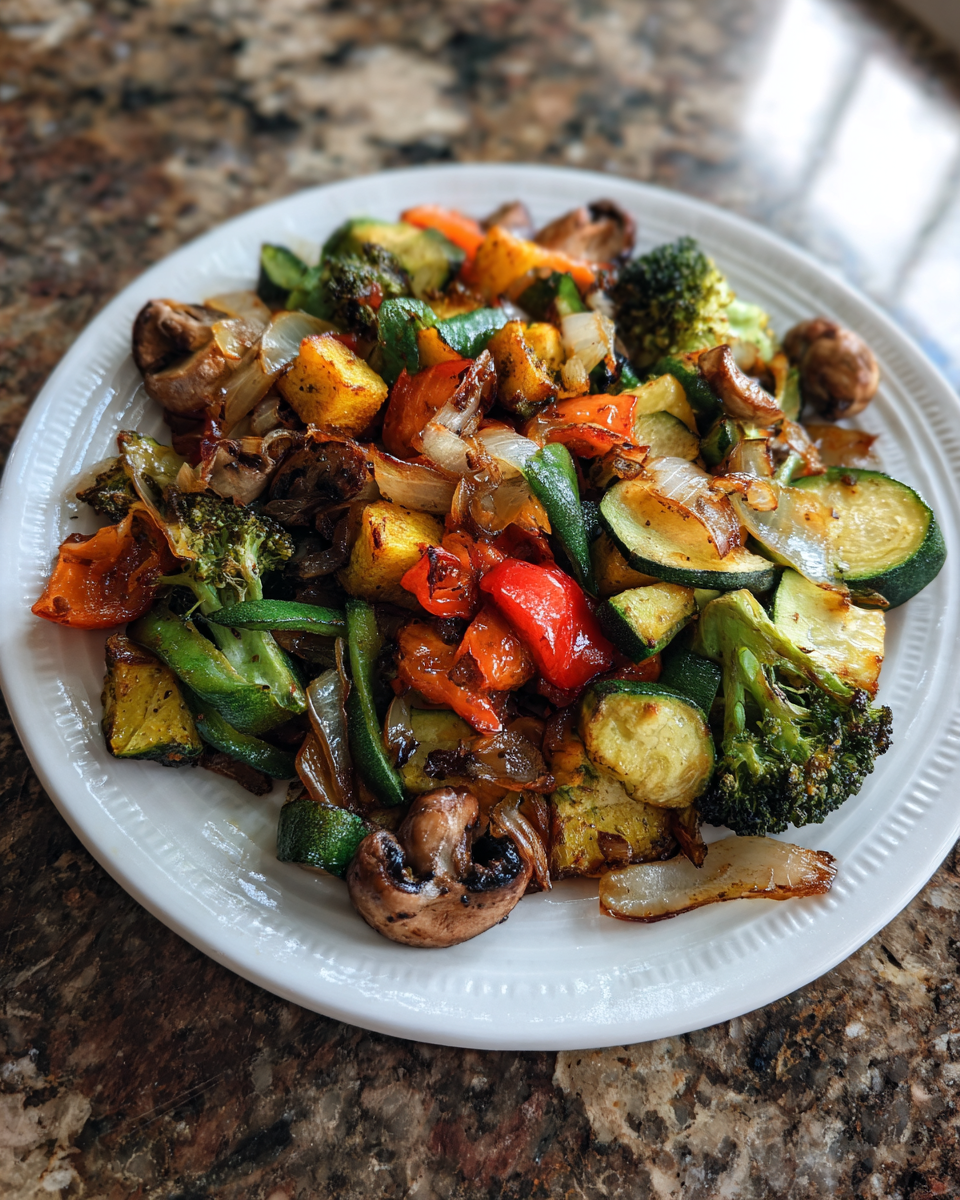
Sauteed vegetables are the perfect partner to a variety of main dishes. Here are a few ways I like to serve them in my home:
- Alongside grilled or roasted chicken for a balanced, family-friendly dinner
- Tossed with cooked pasta and a sprinkle of Parmesan for a quick veggie pasta
- Served over rice or quinoa for a simple vegetarian meal
- Mixed into scrambled eggs or an omelet for a veggie-packed breakfast
- As a colorful topping on toasted bread with a bit of goat cheese or hummus
My mom’s magic was always in turning simple ingredients into something special, and sauteed vegetables do exactly that—they elevate whatever plate you put them on without fuss or fanfare. They’re great for meal prep too; I often double the batch and use leftovers in wraps or grain bowls for a quick lunch.
Storage and Reheating Tips
One of the best things about sauteed vegetables is how well they store. Here’s how to keep them tasting fresh:
- Cool the vegetables completely before storing to prevent sogginess.
- Store in an airtight container in the refrigerator for up to 4 days.
- Reheat gently in a skillet over medium heat, adding a splash of water or oil if needed to loosen them up.
- Avoid microwaving if possible, as it can make the veggies mushy—though I won’t judge if you’re in a hurry.
- If freezing, spread the vegetables on a baking sheet first to freeze individually, then transfer to a freezer bag for up to 2 months. Thaw overnight in the fridge before reheating.
I’ve learned through many a busy week that having sauteed vegetables ready to go is a lifesaver. Whether it’s a quick reheat for dinner or a last-minute addition to a sandwich, they hold up well and keep their flavor.
Frequently Asked Questions
What are the main ingredients for Sauteed Vegetables?
The main ingredients for Sauteed Vegetables include the items listed in our ingredients section above. Each ingredient plays a crucial role in achieving the perfect flavor and texture.
How long does it take to make Sauteed Vegetables?
The total time to make Sauteed Vegetables includes both preparation and cooking time. Check the recipe card above for exact timing details.
Can I make Sauteed Vegetables ahead of time?
Yes, Sauteed Vegetables can often be prepared in advance. Store it properly in an airtight container in the refrigerator and consume within the recommended timeframe.
What can I serve with Sauteed Vegetables?
Sauteed Vegetables pairs well with various sides and accompaniments. Consider the serving suggestions mentioned in the recipe for the best dining experience.
Is Sauteed Vegetables suitable for special diets?
Depending on the ingredients used, Sauteed Vegetables may be adapted for various dietary needs. Check the ingredients list and consider substitutions as needed for your dietary requirements.
Final Thoughts
Sauteed vegetables are a humble, versatile dish that fits perfectly into the rhythm of a busy home kitchen. They’re not about perfection—they’re about feeding your people with love, even when life gets messy and the clock is against you. My journey from a full-time office worker to a home cook was fueled by a need for simplicity and joy in the kitchen, and this recipe embodies that philosophy.
Remember, the best meals are often the ones that remind us of family, stories, and the little moments of connection—like standing on a wobbly chair beside a parent stirring pots, or turning a handful of fresh veggies into something everyone enjoys. So, grab your skillet, your favorite veggies, and make sauteed vegetables a go-to in your home. Trust me, it’s a win you’ll come back to night after night.