Sauteed Vegetables Healthy and Delicious Recipes You Need to Try
There’s something wonderfully simple and satisfying about sauteed vegetables healthy enough to be a go-to in my kitchen, especially on those chaotic weeknights when the kids are hungry and the clock is merciless. Growing up, my dad’s big pots of lentils and rice often shared the stove with whatever fresh veggies my mom had on hand, transformed with just a pinch of spice and a splash of olive oil. Those memories remind me that cooking doesn’t need to be complicated to be full of flavor and goodness. If you’re looking to add a quick, nutritious, and downright tasty side (or even main!) to your meal rotation, sauteed vegetables healthy style is your answer.
Table of Contents
Why You’ll Love This Sauteed Vegetables Healthy
When I started HomeFoodieRecipes, I was juggling two kids, a demanding job, and an apartment kitchen that never seemed big enough. I craved meals that didn’t demand a million ingredients or an hour of prep. Sauteed vegetables healthy fits that bill perfectly. They’re fast, flexible, and packed with nutrients, making them ideal for anyone who wants to eat well without turning dinner into a production.
Plus, sauteing locks in flavor and texture in a way that steaming or boiling often misses. The slight caramelization on the edges adds a hint of sweetness and depth that even picky eaters in my house can’t resist. This method also lets you customize with whatever veggies are in your fridge, so you waste less and savor more. Honestly, it’s like the kitchen equivalent of a warm hug after a long day—comforting, simple, and so satisfying.
One of my favorite memories is standing on a wobbly chair next to my dad, watching him stir big pots while chatting about his childhood meals. Sauteed veggies remind me of those moments: humble, unpretentious, but made with love. And that’s exactly the vibe I want you to bring to your own kitchen.
Ingredients You’ll Need for This Sauteed Vegetables Healthy
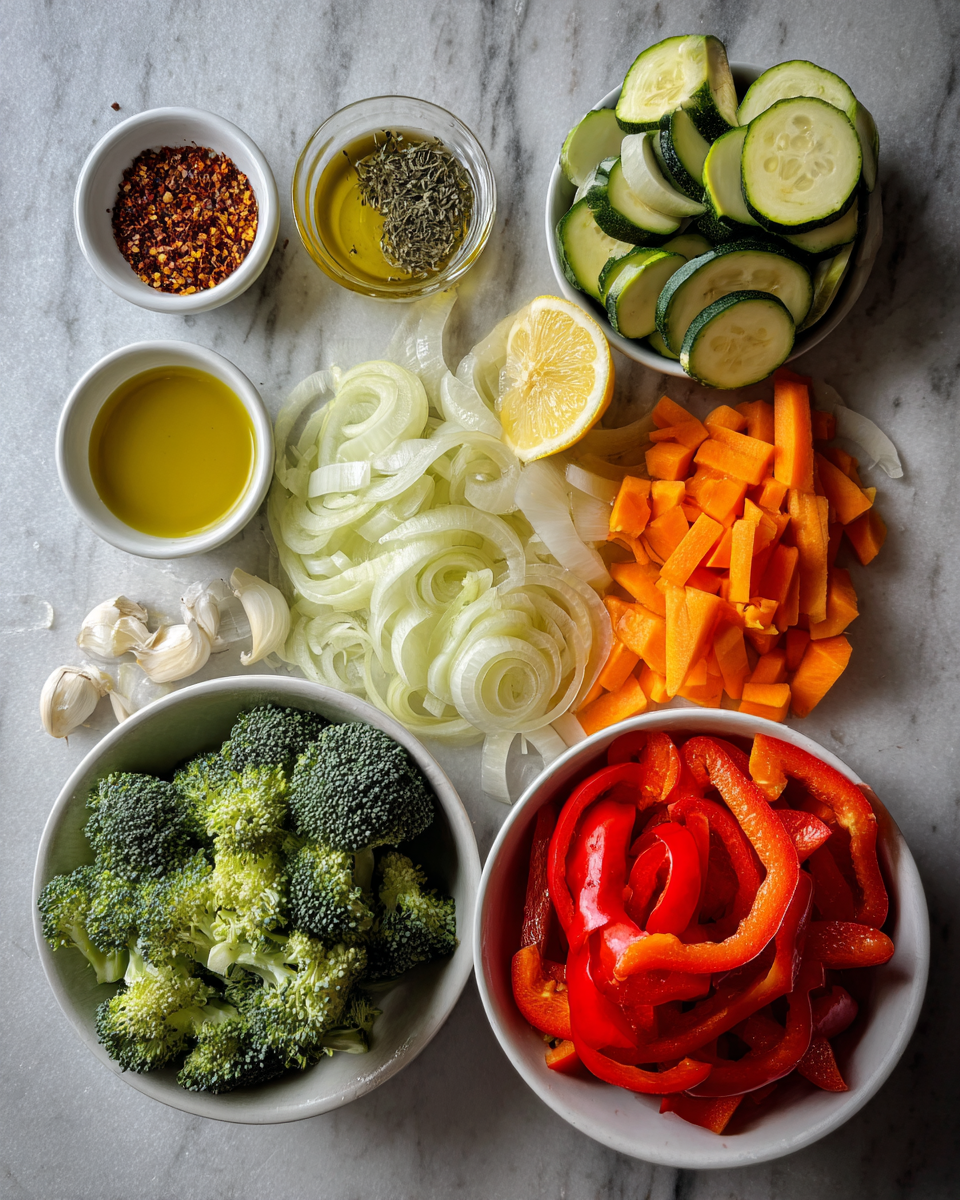
- 2 tablespoons olive oil (or avocado oil for a mild, buttery flavor)
- 1 medium red bell pepper, thinly sliced
- 1 medium zucchini, sliced into half-moons
- 1 cup broccoli florets, cut into bite-sized pieces
- 1 medium carrot, julienned or thinly sliced
- 1 small yellow onion, thinly sliced
- 2 cloves garlic, minced
- 1/2 teaspoon salt (adjust to taste)
- 1/4 teaspoon black pepper
- 1/2 teaspoon dried thyme or Italian seasoning (optional)
- 1 tablespoon fresh lemon juice (optional, for brightness)
- Red pepper flakes to taste (optional, for a little kick)
Substitution ideas: Don’t have zucchini? Swap in yellow squash or asparagus. No broccoli? Green beans or snap peas work beautifully. Feel free to toss in mushrooms, spinach, or even kale—this recipe is your canvas.
Nutrition Facts
- Calories: Approximately 120 per serving (serves 4)
- Protein: 3g
- Fat: 7g (mostly from heart-healthy olive oil)
- Carbohydrates: 14g
- Fiber: 5g
- Sugar: 6g (natural from vegetables)
- Sodium: 300mg (adjust with salt)
These numbers are based on fresh, whole vegetables and a modest amount of olive oil. What I love is that sauteed vegetables healthy style deliver fiber and vitamins with minimal fuss or calories—perfect for anyone either watching their intake or just wanting to eat more whole foods. Learn more: Crispy and Healthy Air Fried Fish Recipes You Need to Try
Print
Sauteed Vegetables Healthy and Delicious Recipes You Need to Try
Learn how to make delicious Sauteed Vegetables Healthy. Easy recipe with step-by-step instructions.
- Total Time: 45 minutes
- Yield: 4 servings 1x
Ingredients
- 2 tablespoons olive oil (or avocado oil for a mild, buttery flavor)
- 1 medium red bell pepper, thinly sliced
- 1 medium zucchini, sliced into half-moons
- 1 cup broccoli florets, cut into bite-sized pieces
- 1 medium carrot, julienned or thinly sliced
- 1 small yellow onion, thinly sliced
- 2 cloves garlic, minced
- 1/2 teaspoon salt (adjust to taste)
- 1/4 teaspoon black pepper
- 1/2 teaspoon dried thyme or Italian seasoning (optional)
- 1 tablespoon fresh lemon juice (optional, for brightness)
- Red pepper flakes to taste (optional, for a little kick)
Substitution ideas: Don’t have zucchini? Swap in yellow squash or asparagus. No broccoli? Green beans or snap peas work beautifully. Feel free to toss in mushrooms, spinach, or even kale—this recipe is your canvas.
Instructions
- Heat the olive oil in a large skillet over medium-high heat until shimmering but not smoking.
- Add the sliced onions and minced garlic. Sauté for 2-3 minutes, stirring frequently, until the onions become translucent and fragrant. This step is where the magic starts—don’t rush it!
- Add the carrots and broccoli florets. Cook for about 4-5 minutes, stirring occasionally, until they start to soften but are still crisp. I like this part because it reminds me of those early cooking days when I’d watch my mom coax flavor out of simple ingredients.
- Toss in the bell pepper and zucchini. Continue to saute for another 4-5 minutes. You want the veggies to be tender but still hold a little bite—think vibrant and fresh, not mushy.
- Sprinkle in salt, pepper, and dried thyme or Italian seasoning if using. Stir well to coat everything evenly.
- Optional: For a little zing, add lemon juice and red pepper flakes right at the end. This brightens the whole dish and adds a subtle heat that wakes up your taste buds.
- Give everything a final stir, then remove from heat. Serve immediately to enjoy the full texture and flavor.
Quick tip: If you’re like me and sometimes juggling hungry kids around the kitchen, you can prep your veggies earlier in the day to speed up the cooking process when it’s time to eat.
- Prep Time: 15 minutes
- Cook Time: 30 minutes
- Category: Main Dish
- Method: Cooking
- Cuisine: International
Keywords: Sauteed Vegetables Healthy, recipe, cooking, food
Steps to Create Your Sauteed Vegetables Healthy
- Heat the olive oil in a large skillet over medium-high heat until shimmering but not smoking.
- Add the sliced onions and minced garlic. Sauté for 2-3 minutes, stirring frequently, until the onions become translucent and fragrant. This step is where the magic starts—don’t rush it!
- Add the carrots and broccoli florets. Cook for about 4-5 minutes, stirring occasionally, until they start to soften but are still crisp. I like this part because it reminds me of those early cooking days when I’d watch my mom coax flavor out of simple ingredients.
- Toss in the bell pepper and zucchini. Continue to saute for another 4-5 minutes. You want the veggies to be tender but still hold a little bite—think vibrant and fresh, not mushy.
- Sprinkle in salt, pepper, and dried thyme or Italian seasoning if using. Stir well to coat everything evenly.
- Optional: For a little zing, add lemon juice and red pepper flakes right at the end. This brightens the whole dish and adds a subtle heat that wakes up your taste buds.
- Give everything a final stir, then remove from heat. Serve immediately to enjoy the full texture and flavor.
Quick tip: If you’re like me and sometimes juggling hungry kids around the kitchen, you can prep your veggies earlier in the day to speed up the cooking process when it’s time to eat.
Tips for Making the Best Sauteed Vegetables Healthy
In my experience, the key to perfect sauteed veggies isn’t just the ingredients—it’s the little details that make all the difference. Here’s what I’ve learned from years of cooking in a small, lively apartment where every meal counts:
- Don’t overcrowd your pan. Give your vegetables room to breathe and brown slightly. If your pan is too crowded, they’ll steam instead of saute, and you lose that lovely caramelization.
- Use fresh, seasonal produce. When I shop, I pick whatever looks freshest and most colorful. It’s amazing how much that vibrant color translates to flavor on your plate.
- Keep your knife skills sharp. Cutting veggies into uniform sizes ensures even cooking. I still remember my dad’s stories about how careful chopping made his meals taste better—turns out, he was right!
- Adjust seasoning at the end. Salt brings out the natural sweetness of vegetables. Taste as you go, especially if you’re using salty add-ins like soy sauce or cheese.
- Experiment with oils and herbs. Olive oil is my go-to, but sometimes I switch it up with toasted sesame oil or coconut oil for a different twist. Fresh herbs like basil or parsley tossed in at the end can also elevate your dish.
“Home cooking isn’t about perfection. It’s about messy counters, full plates, and feeding your people with love—one imperfect meal at a time.” — Maya
Serving Suggestions and Pairings
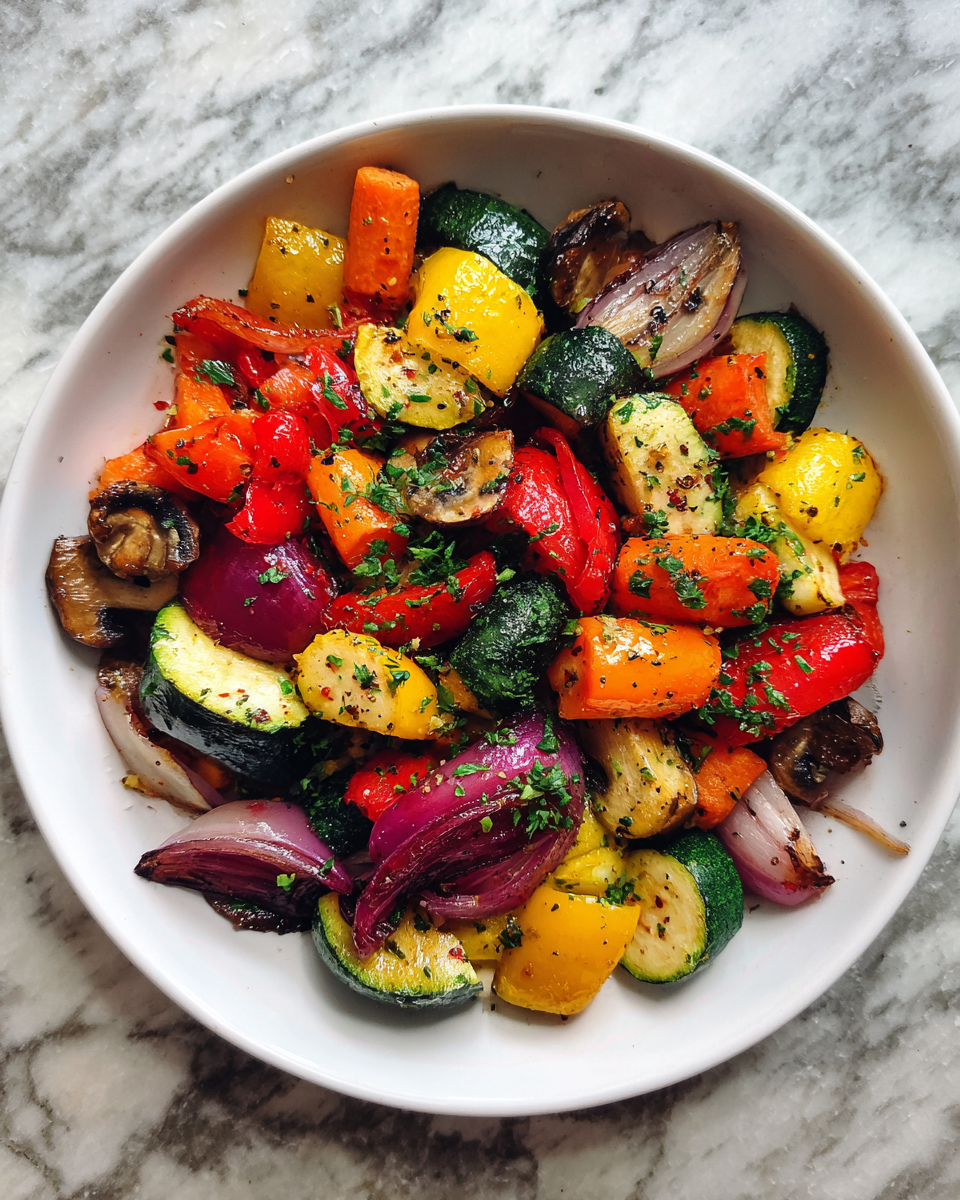
Sauteed vegetables healthy style are incredibly versatile. Here are a few ways I’ve served them that my family loved, especially on those nights when I was pressed for time but wanted a nourishing meal on the table fast:
- As a side dish alongside roasted chicken or baked fish—the perfect balance to protein and carbs.
- Mixed into cooked quinoa or brown rice with a drizzle of soy sauce or tahini for a quick vegetarian bowl.
- Tossed with pasta and a sprinkle of Parmesan for an easy, colorful dinner that feels a little special.
- Stuffed into warm tortillas with beans and avocado for a veggie-packed wrap the kids adore.
- As a topping on homemade pizza or flatbread—hello, extra veggies with no extra fuss!
These pairings remind me of how my mom could transform a humble can of tomatoes with just a few spices into something magical—simple ingredients, big flavors.
Storage and Reheating Tips
Because life is busy (and sometimes chaotic, if you’re anything like me), having a plan for leftovers is a lifesaver. Here’s how to keep your sauteed vegetables fresh and tasty for later:
- Let the vegetables cool completely before storing to prevent sogginess.
- Transfer to an airtight container and refrigerate for up to 3 days.
- Reheat gently in a skillet over medium heat with a splash of water or oil to revive their texture and flavor.
- Avoid microwaving if possible, as it can make the veggies mushy. But if you must, use short bursts and stir in between.
- If you want to freeze, flash freeze on a baking sheet first, then transfer to a freezer-safe bag. Use within 1 month for best quality.
One thing I’ve learned from balancing cooking with a busy household is that a little prep and smart storage go a long way in keeping meals stress-free.
Frequently Asked Questions
What are the main ingredients for Sauteed Vegetables Healthy?
The main ingredients for Sauteed Vegetables Healthy include the items listed in our ingredients section above. Each ingredient plays a crucial role in achieving the perfect flavor and texture.
How long does it take to make Sauteed Vegetables Healthy?
The total time to make Sauteed Vegetables Healthy includes both preparation and cooking time. Check the recipe card above for exact timing details.
Can I make Sauteed Vegetables Healthy ahead of time?
Yes, Sauteed Vegetables Healthy can often be prepared in advance. Store it properly in an airtight container in the refrigerator and consume within the recommended timeframe.
What can I serve with Sauteed Vegetables Healthy?
Sauteed Vegetables Healthy pairs well with various sides and accompaniments. Consider the serving suggestions mentioned in the recipe for the best dining experience.
Is Sauteed Vegetables Healthy suitable for special diets?
Depending on the ingredients used, Sauteed Vegetables Healthy may be adapted for various dietary needs. Check the ingredients list and consider substitutions as needed for your dietary requirements.
Final Thoughts
Sauteed vegetables healthy style have become one of my kitchen staples because they’re fast, flexible, and nourishing—exactly what I needed when I was juggling full-time work and motherhood. They remind me of my dad’s stories and my mom’s magic with simple ingredients, and they continue to bring a bit of that warmth to my own family’s table.
If you’re looking for a way to eat more veggies without the fuss, this recipe is a great place to start. It’s forgiving, adaptable, and yields delicious results every time. And remember, it’s not about being perfect—it’s about feeding your people with love, even on the busiest days.