Discover the Irresistible Flavors of Shanghai Fried Noodles
When I first discovered Shanghai Fried Noodles, it felt like uncovering a hidden gem from the bustling streets of a city I’d only seen in pictures. This dish has become a quiet favorite in my kitchen—simple, hearty, and just the kind of comfort food that reminds me of those lively family dinners from my childhood. It’s funny how noodles, stir-fried with a handful of fresh veggies and savory sauce, can bring such warmth to a busy weeknight. I know firsthand how valuable a quick, satisfying meal is when you’re juggling kids, work, and a kitchen that’s never quite tidy. So, let me walk you through this recipe that’s been tested, tweaked, and loved right at home, just like all my favorites here at HomeFoodieRecipes.
Table of Contents
Why You’ll Love This Shanghai Fried Noodles
Shanghai Fried Noodles are a brilliant mix of chewy, saucy, and slightly caramelized flavors that feel both indulgent and nourishing. What I adore about this dish is how forgiving it is—no need for fancy gadgets or mysterious sauces you can’t pronounce. It’s a recipe born from practicality, much like how my mom could whip up magic with just a few pantry staples. I first made this on a chaotic weeknight when the kids were hungry, and I had about 20 minutes before bedtime routines kicked in. The noodles came together so quickly, and everyone loved it—including my picky eater who usually turns her nose up at anything green.
These noodles are perfect for anyone who loves a good stir-fry but wants more substance than just vegetables or plain rice. The thick, chewy noodles hold onto the sauce beautifully, soaking up every bit of flavor. Plus, it’s a fantastic way to sneak in some veggies without a fight. I always appreciate meals that feel like a treat but don’t require hours in the kitchen—trust me, I’ve been there!
Ingredients You’ll Need for This Shanghai Fried Noodles

- 12 ounces fresh Shanghai-style wheat noodles (or substitute with fresh udon or thick egg noodles)
- 2 tablespoons vegetable oil (or any neutral oil like canola or peanut)
- 1/2 pound ground pork or chicken (optional; for a vegetarian version, skip or use firm tofu)
- 1 cup Napa cabbage, thinly sliced
- 1 medium carrot, julienned or thinly sliced
- 3 green onions, chopped (separate white and green parts)
- 2 cloves garlic, minced
- 1 tablespoon ginger, freshly grated
- 3 tablespoons soy sauce (use low sodium if preferred)
- 1 tablespoon oyster sauce (or vegetarian mushroom sauce for vegan option)
- 1 teaspoon dark soy sauce (for color and richness; optional)
- 1 teaspoon sugar (balances the savory flavors)
- 1/4 teaspoon white pepper (or black pepper if unavailable)
- 1/2 cup bean sprouts (optional, for crunch)
Nutrition Facts
- Calories: Approximately 420 per serving (serves 4)
- Protein: 20g (varies with meat or tofu choice)
- Fat: 12g
- Carbohydrates: 55g
- Fiber: 4g
- Sugar: 6g
- Sodium: 780mg (can be reduced by using low-sodium soy sauce)
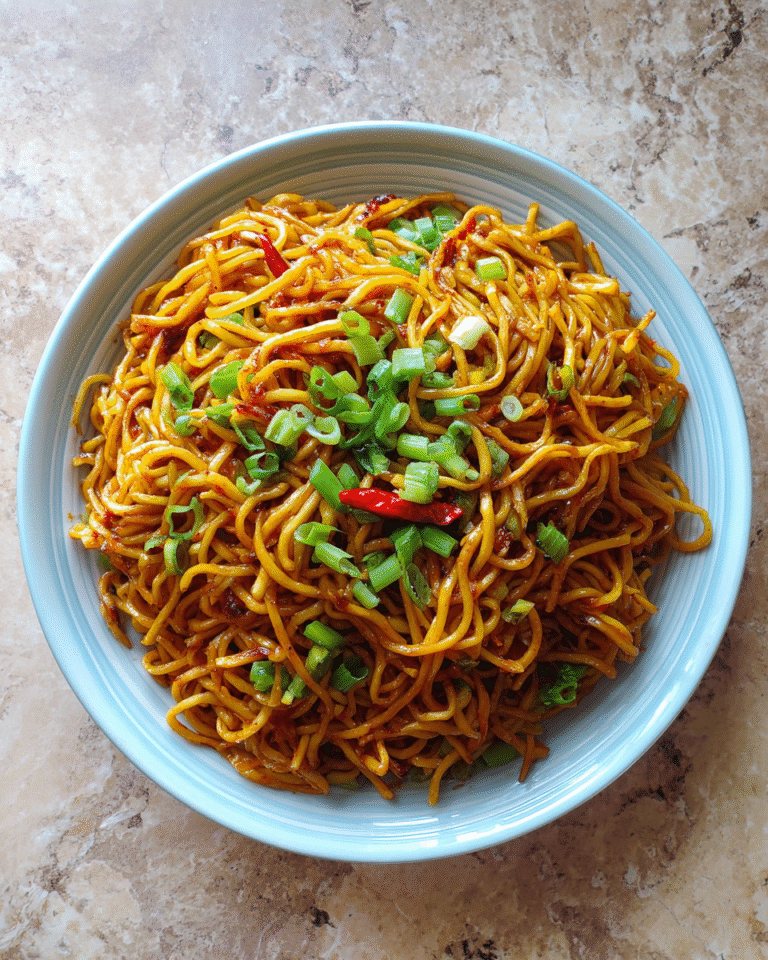
Discover the Irresistible Flavors of Shanghai Fried Noodles
Learn how to make delicious Shanghai Fried Noodles. Easy recipe with step-by-step instructions.
- Total Time: 45 minutes
- Yield: 4 servings 1x
Ingredients
- 12 ounces fresh Shanghai-style wheat noodles (or substitute with fresh udon or thick egg noodles)
- 2 tablespoons vegetable oil (or any neutral oil like canola or peanut)
- 1/2 pound ground pork or chicken (optional; for a vegetarian version, skip or use firm tofu)
- 1 cup Napa cabbage, thinly sliced
- 1 medium carrot, julienned or thinly sliced
- 3 green onions, chopped (separate white and green parts)
- 2 cloves garlic, minced
- 1 tablespoon ginger, freshly grated
- 3 tablespoons soy sauce (use low sodium if preferred)
- 1 tablespoon oyster sauce (or vegetarian mushroom sauce for vegan option)
- 1 teaspoon dark soy sauce (for color and richness; optional)
- 1 teaspoon sugar (balances the savory flavors)
- 1/4 teaspoon white pepper (or black pepper if unavailable)
- 1/2 cup bean sprouts (optional, for crunch)
Instructions
- Start by bringing a large pot of water to a boil. Add the fresh Shanghai noodles and cook them for 2-3 minutes until they’re just tender but still chewy. Drain and rinse under cold water to stop cooking. Set aside. This step is crucial to avoid soggy noodles later—trust me, I learned this the hard way after a too-soft batch once!
- Heat 1 tablespoon of vegetable oil in a large wok or skillet over medium-high heat. Add the ground pork or chicken, breaking it apart with a spatula. Cook until browned and cooked through, about 5 minutes. If you’re going vegetarian, skip this and just heat the oil in the next step.
- Add the minced garlic, grated ginger, and the white parts of the green onions. Stir-fry for about 30 seconds until fragrant. This aroma always makes me feel like I’m halfway to a good dinner, even if the rest of the kitchen looks like a tornado hit it.
- Toss in the sliced Napa cabbage and carrots. Stir-fry for 2-3 minutes until the vegetables start to soften but still have a little crunch. I like to keep some texture because soft veggies just don’t do it for me.
- Add the cooked noodles to the pan, along with the soy sauce, oyster sauce, dark soy sauce (if using), sugar, and white pepper. Gently toss everything together so the noodles get coated evenly. Keep the heat medium-high but watch closely to avoid burning the sauce.
- Cook for another 3-4 minutes, stirring occasionally, until the noodles start to brown slightly and the sauce thickens just a bit. This caramelization is my favorite part—it adds that extra layer of flavor that makes this dish feel special.
- Finally, stir in the bean sprouts and the green parts of the green onions. Cook for one more minute, just to warm them through while keeping their fresh crunch.
- Serve hot, straight from the pan. I usually pile the noodles onto big plates and call the kids to the table with a big smile—the messy counters and hurried prep all forgotten in the joy of a shared meal.
- Prep Time: 15 minutes
- Cook Time: 30 minutes
- Category: Main Dish
- Method: Cooking
- Cuisine: International
Keywords: Shanghai Fried Noodles, recipe, cooking, food
Steps to Create Your Shanghai Fried Noodles
- Start by bringing a large pot of water to a boil. Add the fresh Shanghai noodles and cook them for 2-3 minutes until they’re just tender but still chewy. Drain and rinse under cold water to stop cooking. Set aside. This step is crucial to avoid soggy noodles later—trust me, I learned this the hard way after a too-soft batch once!
- Heat 1 tablespoon of vegetable oil in a large wok or skillet over medium-high heat. Add the ground pork or chicken, breaking it apart with a spatula. Cook until browned and cooked through, about 5 minutes. If you’re going vegetarian, skip this and just heat the oil in the next step.
- Add the minced garlic, grated ginger, and the white parts of the green onions. Stir-fry for about 30 seconds until fragrant. This aroma always makes me feel like I’m halfway to a good dinner, even if the rest of the kitchen looks like a tornado hit it.
- Toss in the sliced Napa cabbage and carrots. Stir-fry for 2-3 minutes until the vegetables start to soften but still have a little crunch. I like to keep some texture because soft veggies just don’t do it for me.
- Add the cooked noodles to the pan, along with the soy sauce, oyster sauce, dark soy sauce (if using), sugar, and white pepper. Gently toss everything together so the noodles get coated evenly. Keep the heat medium-high but watch closely to avoid burning the sauce.
- Cook for another 3-4 minutes, stirring occasionally, until the noodles start to brown slightly and the sauce thickens just a bit. This caramelization is my favorite part—it adds that extra layer of flavor that makes this dish feel special.
- Finally, stir in the bean sprouts and the green parts of the green onions. Cook for one more minute, just to warm them through while keeping their fresh crunch.
- Serve hot, straight from the pan. I usually pile the noodles onto big plates and call the kids to the table with a big smile—the messy counters and hurried prep all forgotten in the joy of a shared meal.
Tips for Making the Best Shanghai Fried Noodles
Over the years, I’ve learned a few tricks that turn this dish from good to unforgettable, especially with two little ones demanding dinner on the regular:
- Use fresh noodles if you can: They have a springy, chewy texture that dried noodles just can’t match. If fresh noodles aren’t available, thick dried egg noodles will do in a pinch—just cook them a minute less than package instructions.
- Don’t overcrowd the pan: Stir-frying needs space for everything to cook evenly and develop those lovely browned bits. If you have a smaller pan, do this in batches.
- Prep everything first: This is a classic stir-fry rule, but it’s especially true here. Once you start cooking, things move fast. I always have my ingredients chopped and measured out before even turning on the stove.
- Adjust sauce to taste: The balance of salty, sweet, and umami can vary based on your soy sauce or oyster sauce brands. Taste as you go and tweak.
- Keep the veggies crunchy: Overcooked cabbage and carrots turn mushy and lose their appeal. I like them still a little crisp to balance the softness of the noodles.
Serving Suggestions and Pairings
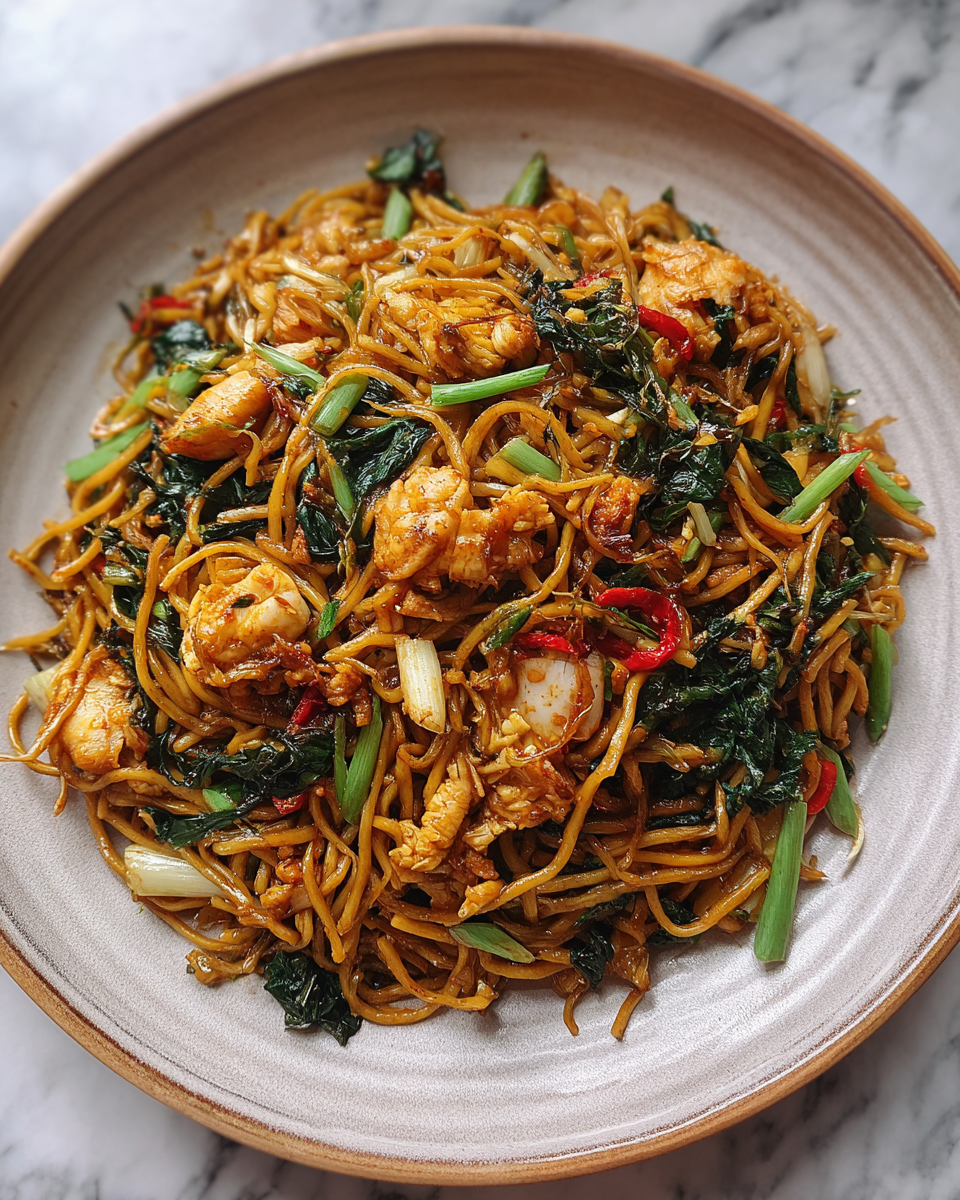
Shanghai Fried Noodles are pretty hearty on their own, but I love pairing them with a few simple sides when there’s time. Growing up, my dad’s lentils and rice were the ultimate comfort food, and though this dish is different, I sometimes bring that spirit to the table with a light vegetable soup or a quick cucumber salad to add freshness and balance. Learn more: Irresistible Sticky Garlic Chicken Noodles You Need to Try Today
For a cozy family dinner, serve the noodles alongside steamed dumplings or potstickers—easy to buy frozen and perfect for busy nights. A drizzle of chili oil or a sprinkle of toasted sesame seeds on top adds a nice finishing touch, especially if your crew loves a little heat. If you want to keep it vegetarian, a side of sautéed greens like bok choy or spinach works beautifully.
Storage and Reheating Tips
One of the reasons I keep coming back to this recipe is how well it holds up as leftovers—a lifesaver when the week gets crazy. After dinner, I pack any leftovers into an airtight container and pop it in the fridge. It keeps nicely for up to 3 days.
When reheating, I recommend warming the noodles in a skillet over medium heat with a splash of water or broth to loosen things up. Microwave reheating tends to make the noodles a bit gummy, so stovetop is my go-to method. If you’re short on time, a quick zap in the microwave with a damp paper towel over the container helps keep moisture in.
Frequently Asked Questions
What are the main ingredients for Shanghai Fried Noodles?
The main ingredients for Shanghai Fried Noodles include the items listed in our ingredients section above. Each ingredient plays a crucial role in achieving the perfect flavor and texture.
How long does it take to make Shanghai Fried Noodles?
The total time to make Shanghai Fried Noodles includes both preparation and cooking time. Check the recipe card above for exact timing details.
Can I make Shanghai Fried Noodles ahead of time?
Yes, Shanghai Fried Noodles can often be prepared in advance. Store it properly in an airtight container in the refrigerator and consume within the recommended timeframe.
What can I serve with Shanghai Fried Noodles?
Shanghai Fried Noodles pairs well with various sides and accompaniments. Consider the serving suggestions mentioned in the recipe for the best dining experience.
Is Shanghai Fried Noodles suitable for special diets?
Depending on the ingredients used, Shanghai Fried Noodles may be adapted for various dietary needs. Check the ingredients list and consider substitutions as needed for your dietary requirements.
Final Thoughts
Shanghai Fried Noodles have found a permanent spot in my weeknight rotation because they embody everything home cooking should be—simple, delicious, and made with love. I’m reminded of those early kitchen moments with my dad and mom, where food was never about perfection but about sharing stories and making memories, even if the counters were messy and the timer was barely set. This recipe is my little tribute to that spirit, a dish that welcomes everyone to the table without fuss or stress.
If you’re like me—balancing life, family, and the desire to eat well without spending hours—you’ll find these noodles are a game-changer. Give it a try, make it your own, and don’t be afraid to get a little messy in the kitchen. After all, that’s where the magic happens.